


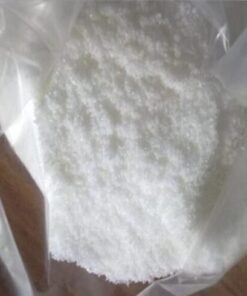
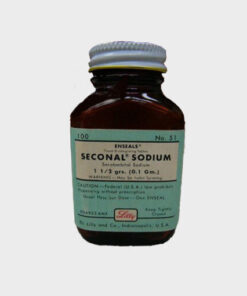
Chemical Composition of Pentobarbital
Pentobarbital is a synthetic barbiturate compound belonging to the barbituric acid class of central nervous system depressants. From a chemical standpoint, pentobarbital is derived from barbituric acid through substitution at the 5–position of the pyrimidine ring, a structural feature common to barbiturate medications. Its chemical name is 5-ethyl-5-(1-methylbutyl)barbituric acid, and it is recognized for its predictable pharmacological behavior in controlled clinical and veterinary applications.
The molecular formula of pentobarbital is C₁₁H₁₈N₂O₃, with a molecular weight of approximately 226.27 g/mol. In pharmaceutical practice, pentobarbital is most commonly supplied as pentobarbital sodium, a water-soluble salt formed by the reaction of pentobarbital with sodium hydroxide. This sodium salt form enhances solubility and stability, making it suitable for injectable and liquid formulations used in professional settings.
Chemically, pentobarbital consists of a barbiturate ring system with alkyl side chains that influence lipid solubility, onset of action, and duration. These structural characteristics account for pentobarbital’s classification as a short-acting barbiturate, distinguishing it from longer-acting compounds such as phenobarbital. The compound’s chemical stability, predictable metabolism, and controlled depressant effects make it suitable for regulated pharmaceutical use .All pharmaceutical–grade pentobarbital supplied through regulated channels is manufactured under Good Manufacturing Practice (GMP) standards to ensure consistency, purity, and chemical integrity. Proper characterization of its chemical composition is essential for quality assurance, regulatory compliance, and safe professional application in veterinary, clinical, and research environments.